
Trauma Therapy & Counseling in Washington

Compassionate, evidence-based counseling to help you heal, grow, and move forward.

Calm Washington therapy space for trauma counseling and healing
Your care team

Meet the therapists who specialize in trauma.

Click any photo to book directly with a licensed Washington therapist whose focus areas fit your needs.


Teri Entler, therapist at Healing & Restoration Counseling

Teri Entler

MA, LMHC
Focus areas
  • Codependency
  • Marital issues
  • Narcissistic abuse recovery
  • Divorce recovery
  • Parental Alienation
  • Reunification Therapy
  • Childhood trauma
  • Anxiety
  • Faith & spirituality
Nakita Cutter, therapist at Healing & Restoration Counseling

Nakita Cutter

MS, LMHC
Focus areas
  • Trauma & PTSD
  • Depression
  • Anxiety
  • Low self-esteem
  • Grief
  • Abusive relationships
  • Addictions
Jenna Meyers, therapist at Healing & Restoration Counseling

Jenna Meyers

Counseling Team
Focus areas
  • Children, teens & families
  • Anxiety & depression
  • Trauma & LI
  • ADHD & Autism
  • Premarital & couples
  • Life transitions
  • Caregiver burnout
Jamie Quinlan, therapist at Healing & Restoration Counseling

Jamie Quinlan

MA, LMHCA
Focus areas
  • Kids · Youth · Teens
  • Family counseling
  • Trauma & Abuse
  • Divorce & Childhood Trauma
  • Christian perspective
  • Postpartum & Birth Trauma
  • ADHD · Depression · Anxiety
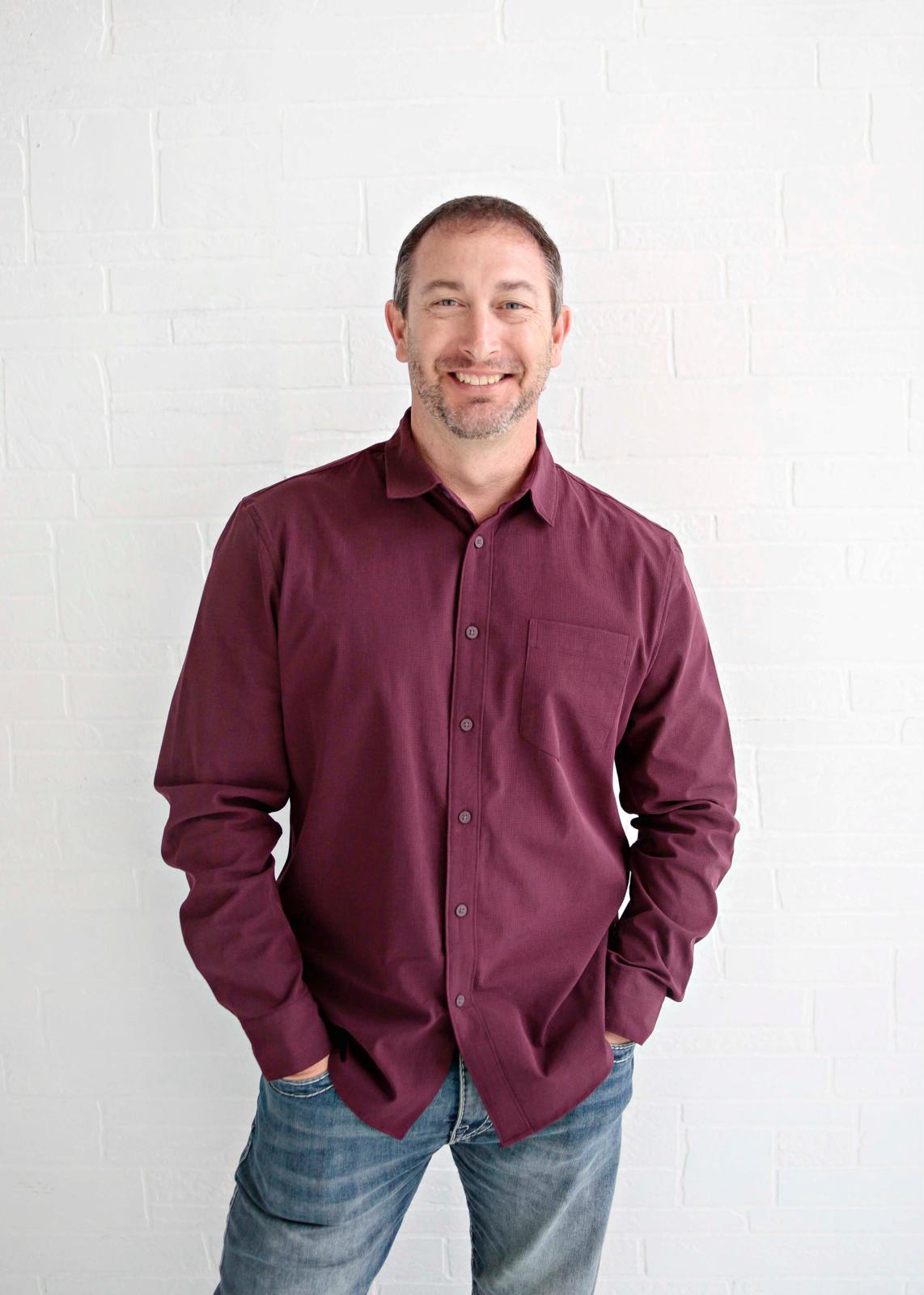
Wallace Forslof, therapist at Healing & Restoration Counseling

Wallace Forslof

MA, LMHCA
Focus areas
  • Childhood trauma
  • Trauma & PTSD
  • ADHD
  • Veterans & first responders
  • Anxiety & Depression
  • Men's issues
  • Self-esteem
  • Anger management
Alexis Ryan, therapist at Healing & Restoration Counseling

Alexis Ryan

Counseling Team
Focus areas
  • LGBTQ+
  • Women's Issues
  • Neurodivergent support
  • Relationship struggles
  • Childhood trauma
  • Life Transitions
  • Career burnout
  • Anxiety & Depression
Understanding it

What is trauma, and how does it affect you?

Trauma is the lasting imprint that overwhelming or frightening experiences leave on your brain, body, and sense of safety. It can come from a single event - an accident, assault, or loss - or from years of relational, childhood, or developmental wounds. Whatever its source, trauma teaches your nervous system to stay braced for danger long after the threat has passed.

Common symptoms include flashbacks, nightmares, hypervigilance, emotional numbness, panic, and difficulty trusting others. The emotional impact is heavy: shame, guilt, and a sense of being broken often follow. Day to day, trauma can disrupt sleep, focus, and motivation, while straining relationships through withdrawal, irritability, or fear of closeness. You are not broken - your body adapted to survive, and it can learn to feel safe again.

Signs to notice

You may benefit from therapy if…

  • Intrusive memories, flashbacks, or distressing nightmares
  • Feeling constantly on edge, jumpy, or unable to relax
  • Avoiding people, places, or reminders of what happened
  • Emotional numbness or feeling disconnected from yourself
  • Difficulty trusting others or feeling safe in relationships
  • Trouble sleeping, concentrating, or regulating emotions
  • Sudden anger, anxiety, or panic that feels hard to control
  • Persistent shame, guilt, or a sense of being 'different'
Evidence-based care

How therapy can help you heal.

We tailor proven, research-backed modalities to your nervous system, your goals, and your story.

Cognitive Behavioral Therapy (CBT)

Identify and gently reshape the thought patterns that fuel distress, building practical tools you can use between sessions.

Dialectical Behavior Therapy (DBT)

Develop emotional regulation, distress tolerance, and mindfulness skills to navigate overwhelming feelings with steadiness.

Lifespan Integration (LI)

A gentle, body-based modality that helps your nervous system reorganize painful memory along your timeline - without re-traumatization.

Trauma-Informed Therapy

Every session prioritizes safety, choice, and pacing, honoring how past experiences shape the brain, body, and relationships.

Solution-Focused Therapy

Build on your existing strengths and create clear, attainable steps toward the life and relationships you want.

Attachment-Based Therapy

Heal relational wounds by understanding early attachment patterns and learning to experience secure, trusting connection.

Our philosophy

Whole-person healing, your way.

At Healing & Restoration Counseling, care is faith-friendly yet never judgmental - honoring your beliefs, identity, and pace as we walk alongside you.

Compassion

You are met with warmth and zero judgment, exactly where you are today.

Acceptance

Your story, faith, identity, and pace are fully honored throughout your care.

Safety

We move at the speed of your nervous system, building trust before depth.

Authenticity

Real, human therapists who help you reconnect with your truest self.

Mind-Body-Spirit

Whole-person healing that integrates emotional, physical, and spiritual wellbeing.

Personalized Plans

No two journeys are alike - your treatment plan is built around you.

Why choose us

Why Washington trusts Healing & Restoration Counseling.

Licensed, experienced Washington therapists
Telehealth available across all of Washington State
Trauma-informed, nervous-system-aware care
Holistic, mind-body-spirit healing approach
Free 30-minute consultation to find your fit
Evidence-based, research-backed methods
Individualized treatment plans for every client
Confidential, HIPAA-compliant services

We proudly serve clients across Washington State - including Seattle, Bellevue, Everett, Tacoma, Spokane, Vancouver, and our home community of Mill Creek - with secure online therapy that brings expert care wherever you are.

Common questions

Frequently asked questions.

What is trauma-informed therapy?
Trauma-informed therapy is an approach that recognizes how trauma affects the brain, body, and relationships. It prioritizes safety, choice, and pacing in every session, helping you process painful experiences without being re-traumatized.
Do I need a PTSD diagnosis to start trauma therapy?
No. Many clients have never been formally diagnosed. If a past experience still affects your mood, sleep, relationships, or sense of safety, trauma therapy can help — a diagnosis is not required to begin healing.
How long does trauma therapy take?
It varies. Some clients feel meaningful relief in 8–12 sessions, while complex or childhood trauma often benefits from longer-term work. We create a paced, personalized plan that respects your nervous system's readiness.
What therapies do you use for trauma?
We integrate Lifespan Integration, EMDR-informed work, somatic regulation, attachment-based therapy, CBT, and parts work — matched to your story and goals rather than a one-size-fits-all protocol.
Will I have to relive my trauma in detail?
No. Effective trauma therapy is not about reliving the worst moments. We build safety and regulation first, then gently integrate memories at a pace your body can tolerate.
Do you offer trauma therapy online across Washington?
Yes. We provide secure, HIPAA-compliant telehealth trauma therapy to clients throughout Washington State — including Seattle, Bellevue, Everett, Tacoma, Spokane, and Vancouver — so expert care reaches you wherever you live.
Do you offer a free consultation?
Yes. Every new client is invited to a free 30-minute consultation. It's a no-pressure way to ask questions, share what you're navigating, and make sure your therapist feels like the right fit before you begin.
Is therapy confidential?
Absolutely. All sessions are private and HIPAA-compliant. What you share stays between you and your therapist, with only the narrow legal exceptions required to keep you and others safe.
Continue exploring

Related counseling services.

Begin your healing

You don't have to navigate this alone.

Healing is possible - and you deserve a compassionate guide for the journey. Reach out today and let us match you with a licensed Washington therapist who truly fits.